
Vaccines and Genomics: A Synergistic Approach to Disease Prevention
This blog explores the relationship between vaccines and genomics, the importance of understanding genomic data in vaccine discovery, and how bioinformatics might accelerate the process of vaccine discovery.


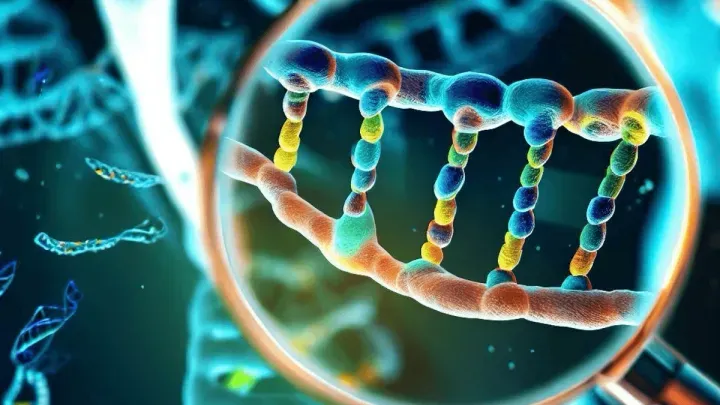
In the battle against infectious diseases, vaccines have been our most potent weapon. The advent of genomics and bioinformatics has revolutionized vaccine development, enabling more precise and rapid responses to emerging threats. This blog explores the relationship between vaccines and genomics, the importance of understanding genomic data in vaccine discovery, and how bioinformatics might accelerate the process of vaccine discovery.
Vaccines: A Brief Overview
Vaccines are biological preparations that provide immunity against specific diseases. They work by stimulating the immune system to recognize and fight pathogens, such as viruses or bacteria, without causing the disease itself. More basics to know through this Nature video.
The Role of Genomics in Vaccine Discovery
Genomics, the study of an organism's entire genetic material, has become a critical tool in vaccine development. Here's why:
- Understanding Pathogens: Genomic analysis helps researchers understand the genetic makeup of pathogens, identifying potential targets for vaccines.
- Precision Medicine: Genomics enables the development of personalized vaccines tailored to an individual's genetic makeup, enhancing efficacy and safety.
- Rapid Response: Genomic data allows for quicker identification and characterization of new pathogens, accelerating vaccine development.
Bioinformatics: Accelerating Vaccine Discovery
Bioinformatics, the application of computational techniques to biological data, plays a vital role in vaccine discovery:
- Data Analysis: Bioinformatics tools analyze vast genomic datasets, identifying potential vaccine targets.
- Simulation and Modeling: Computational models simulate how different vaccine candidates might interact with the immune system, guiding experimental design.
- Collaboration: Bioinformatics platforms enable global collaboration, sharing data and insights across research teams.
Real-Life Example: COVID-19 Vaccines
The COVID-19 pandemic has been a testament to the power of genomics in vaccine development. Within weeks of identifying the SARS-CoV-2 virus, scientists sequenced its genome. This genomic information was instrumental in the rapid development of several COVID-19 vaccines, including the mRNA vaccines by Pfizer-BioNTech and Moderna.
- mRNA Technology: The vaccines use a small piece of the virus's genetic material (mRNA) to instruct cells to produce a protein similar to the one found on the virus. This triggers an immune response, providing protection against the virus, illustrated in this short video from Harvard University.

Challenges and Future Directions
While genomics and bioinformatics have transformed vaccine development, challenges remain:
- Data Privacy: The handling of genetic data must be done with care to ensure privacy and ethical considerations.
- Accessibility: Ensuring that vaccines developed through genomic insights are accessible to all populations is a global concern.
The future holds exciting possibilities, with ongoing research exploring novel vaccine technologies and approaches, all underpinned by genomic insights.
Conclusion
The synergy between vaccines and genomics represents a triumph of modern science. From understanding the intricacies of pathogens to personalizing vaccines and responding rapidly to emerging threats, genomics has reshaped the vaccine landscape. The COVID-19 vaccines are a shining example of what can be achieved when genomics and bioinformatics are harnessed for the greater good. As we continue to face new health challenges, the integration of these fields promises to keep us one step ahead, safeguarding our health and well-being in an ever-changing world.
This article was co-authored with ChatGPT.

- Genomics
Unlocking the Final Frontier: The Completion of the Human Genome Sequence and the Y Chromosome
In a monumental scientific achievement, researchers have recently completed the sequencing of the human genome, including the elusive Y chromosome. This milestone marks a new era in genomics, offering unprecedented insights into human biology, evolution, and the potential for personalized medicine.
- Genomics
Understanding the Difference Between Genetics and Genomics
Genetics and genomics are two terms that are often used interchangeably in the field of biological sciences. This article aims to shed light on the difference between genetics and genomics, and how each field contributes to our understanding of life and disease.
- Literature Search
LLM’s Secret Sauce: Not Just Prompts, but Context Engineering
If you haven’t been living under a rock, chances are that you have come across the buzzword “prompt-engineering” in the past few years. And yes, while it has been recognized as an official job title in the tech industry, you probably have been practicing it on your own all along.