

The Effect of Genetics on Drug Metabolism
Genetics plays a key role in how individuals metabolize drugs, influencing both effectiveness and risk of side effects. Real-world cases like codeine, citalopram, and azathioprine highlight the clinical impact of tailoring treatments through genetics.

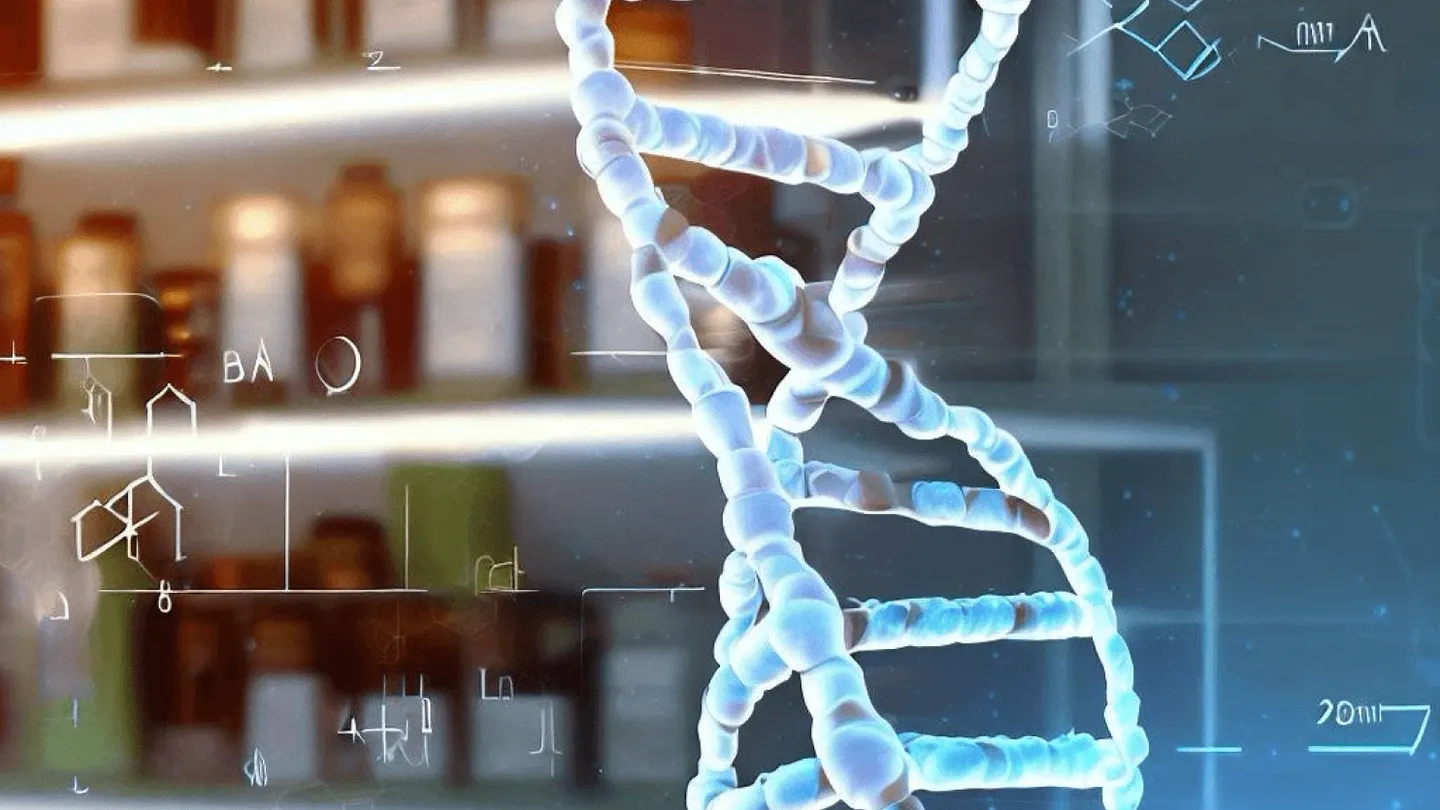
Genetics and Drug Metabolism: The Foundation of Personalized Medicine
In the field of personalized medicine, understanding the relationship between genetics and drug metabolism has become increasingly vital. Every individual's genetic makeup can influence how they metabolize and respond to medications, leading to variations in drug efficacy and potential side effects. This article delves into the profound impact of genetics on drug metabolism, with real-world examples.
What is Drug Metabolism?
Drug metabolism refers to the process by which the body breaks down and eliminates drugs. This primarily occurs in the liver, where enzymes transform drugs into metabolites, which are then excreted from the body. The rate and efficiency of this process can determine the drug's effectiveness and the duration of its action.
Genetics and Drug Metabolism
Each individual's genetic makeup contains specific variations called polymorphisms. These genetic variations can influence the activity of drug-metabolizing enzymes. For instance:
- Poor Metabolizers: Some individuals have genetic variations that reduce or eliminate the activity of certain enzymes. This can lead to slower drug metabolism.
Example: A common genetic variation in the CYP2D6 enzyme can cause poor metabolism of drugs like codeine, leading to increased drug levels in the bloodstream and potentially adverse effects. - Rapid or Ultra-Rapid Metabolizers: Some people have genetic variations that enhance enzyme activity. This can result in drugs being metabolized too quickly, reducing their effectiveness.
Example: Ultra-rapid metabolizers of CYP2C19 may find that certain antidepressants like citalopram are less effective.

Pharmacogenomics: The Intersection of Genetics and Pharmacology
Pharmacogenomics is the study of how genes affect an individual's response to drugs. By understanding an individual's genetic makeup, healthcare providers can predict how a patient will respond to a particular medication. This knowledge can guide dosage adjustments, alternative drug choices, and personalized treatment plans.
In the pursuit of personalized medicine, platforms like Bionl.ai are revolutionizing the way genetic data is analyzed, enabling healthcare professionals to identify genetic variations that influence drug metabolism and thereby assisting in the selection of the most suitable drugs for individual patients.
Real-World Implications
The implications of understanding the genetics of drug metabolism are vast:
- Personalized Medicine: Tailoring drug choices and dosages based on an individual's genetic makeup can optimize therapeutic outcomes and minimize adverse reactions.
Example: Patients with a specific variant of the TPMT gene may require a lower dose of the drug azathioprine, used to treat autoimmune disorders. - Improved Drug Development: Understanding genetic factors can guide pharmaceutical companies in developing drugs that are more effective and safer for diverse populations.
- Cost Savings: Personalized medicine can lead to more efficient treatments, reducing the trial-and-error approach, and potentially decreasing healthcare costs.
Conclusion
The interaction between genetics and drug metabolism is a growing field with the potential to transform healthcare. As we continue to unravel the complexities of our genetic code, the promise of truly personalized medicine becomes more tangible. By understanding and harnessing the power of our genes, we can pave the way for safer, more effective treatments tailored to each individual's unique genetic blueprint.
The real-world examples of codeine, citalopram, and azathioprine illustrate the practical applications of this exciting field.

Written by
Bayan Abu Alragheb
Junior Researcher & Medical Doctor
MD and junior researcher at Pan.bio. Focused on cancer genomics, bioinformatics, and precision medicine. AACR GSITA awardee.
- Bioinformatics
Unlocking the Potential of Genomic Medicine with Bionl
Genomic medicine, a branch of medical science that uses genomic information to guide patient care, is heralding a new era in healthcare. By analyzing an individual’s genetic makeup, healthcare professionals can make more informed decisions.
- Bioinformatics
Hearing Loss Explained: Syndromic, Non-Syndromic, and the Power of Bioinformatics
Genetic mutations play a major role, influencing inheritance patterns and disease presentation. Bioinformatics and platforms like Bionl.ai are advancing research, enabling better diagnosis and personalized treatment.
- Bioinformatics
Transcriptomics: on genes and diseases with Bionl.ai
Transcriptomics is more than just a buzzword in the realm of bioinformatics; it's a revolutionary approach to understanding the intricate world of genes. Imagine having the ability to read the 'script' of a cell, tissue, or even an entire organism.